Argyrotype photographic process
Argyrotype is a modified contact print process developed in Victorian times by the early experimenters of photography. This more recent version uses a slightly different chemical mix for longevity. All of these methods are based on hand coating suitable paper with a light sensitising solution, applying a negative to the surface and exposing to light then developing and fixing the final image.

The negatives I had for this series were a paper type from very old Polaroid film and never intended to be used for anything other than an instant print. Actually I like the negative image as it is.
 So to get a workable, transparent negative I had to scan the non-transparent Polaroid one and from the digital file print this negative onto an acetate sheet. To obtain a version that can be used for the contact printing process requires much testing, calibration, and tweaking.
 You have adjust the negatives for the process. There are many variables; exposure time, chemistry, temperature, humidity, acidity,paper. All of these can affect the final tone of the print. There are various tools to aid this procedure but it took over 20 test prints and negatives to arrive at a suitable one.
The stage of creating the print involves coating paper with the light sensitive iron/silver solution. Clamping the negative to this then exposing it to ultra-violet light. The chemistry is only sensitive to UV light which makes the process easier as the setting up can be done under soft light bulbs.
 The paper is marked out to fit the negative and I mask the edges to provide a crisp edge. Sometimes a rough edge is used, emphasising the hand made nature but in this case with the framing in mind a cleaner one is better. The sensitising solution is applied using a glass rod. The paper is then left to dry. I mix my own solution from scratch. It’s like working in a laboratory, but then I studied chemistry at university level.

The dried, sensitised paper is now clamped together in a printing frame, in this case a plywood sheet covered with a piece of foam, then the paper and negative on top and finally a sheet of glass all clamped together with strong spring clips.
My UV exposure unit is just an old face-tanning lamp set in a box. The printing frame is placed over this and exposed to the light for the calculated time.
 After exposure the image shows on the paper with a reddish brown tone. It is then washed for several minutes in acidified distilled water, rinsed again and then a fixing solution applied to clear any remaining unexposed silver halide particles.

Fixing immediately turns the reddish image to a darker brown. It then undergoes several rinses in water remove traces of any chemicals.
 As the prints dry they undergo a further darkening and a more neutral tone shift which takes at least 24 hours to reach their final shade and density.
 Framing is a very important part of the artwork. I always spend a lot of time working on dimensions and proportions, the colour of mat card, if used, to get the final result, according to the type of image to be presented.
 And this is the final result. The image size for display is slightly small than I wanted as the paper size was unavailable but have now got the required paper.
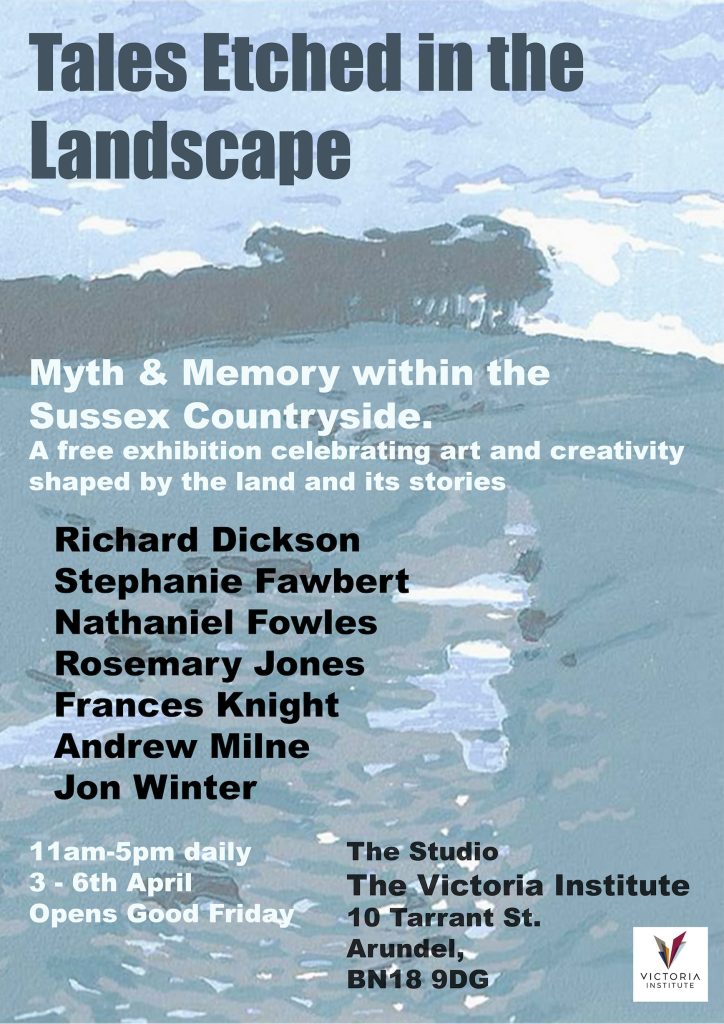


 I will be exhibiting prints from the series Rugged Beauty, taken on the South Downs (see post


